
Cybersecurity: The key to protecting the digital world
6 min. | 5. 12. 2024
In today's digital era, cybersecurity is one of the most important aspects of protecting information and systems from various threats. With the increasing number of cyber attacks, it is imperative that individuals and organizations take measures to protect their data and systems. This paper focuses on the importance of cyber security, the most common threats and strategies to defend against them.
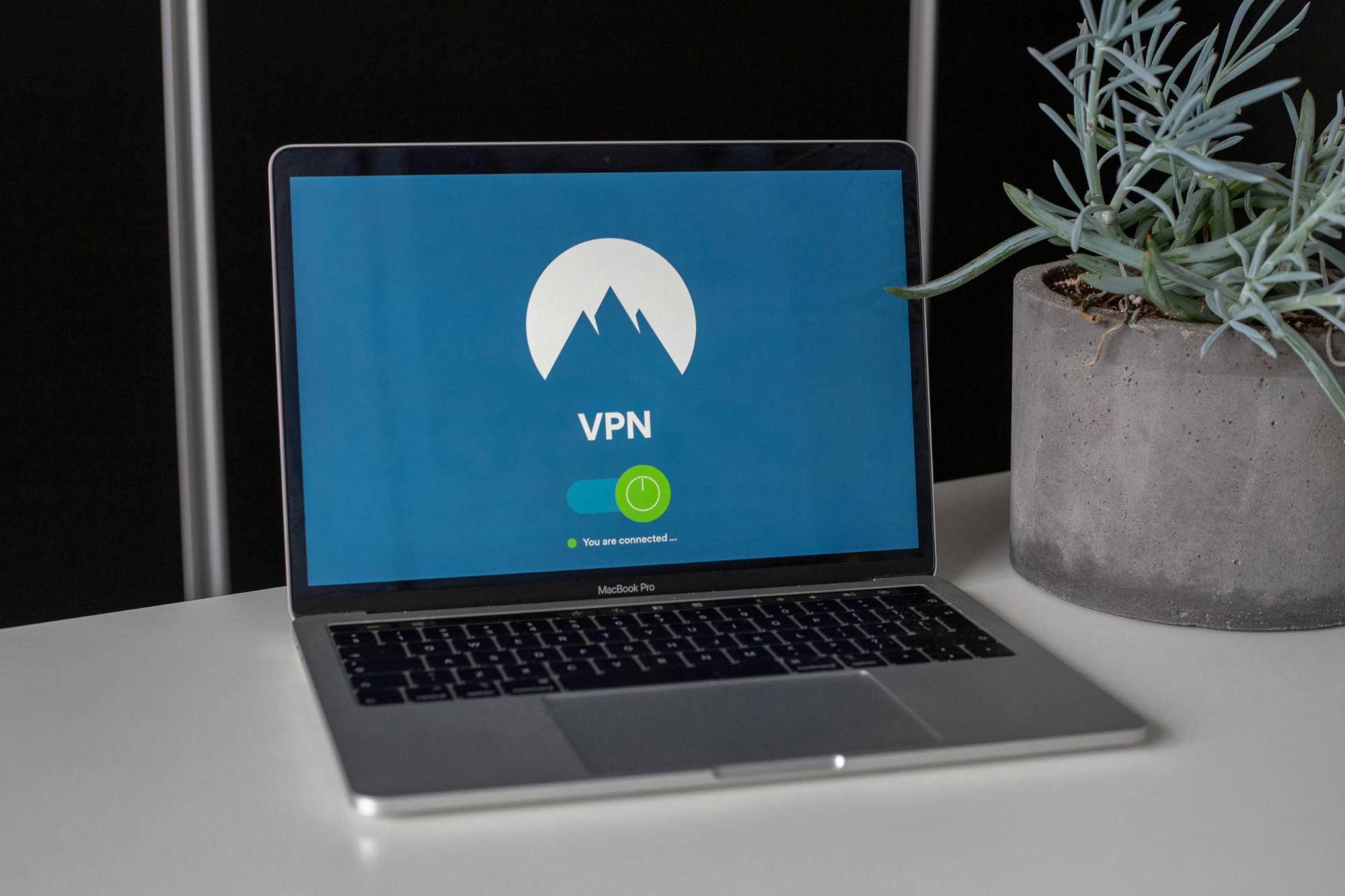
The importance of cyber security
Cyber security involves protecting computer systems, networks and data from unauthorised access, attacks and damage. It is key to:
- Protecting sensitive information: personal data, financial information and trade secrets must be protected from theft and misuse.
- Ensuring business continuity: cyber attacks can cause serious disruption to organisations, leading to financial and reputational losses.
- Regulatory compliance: many industries are regulated by laws and standards that require data and systems to be protected.
The most common cyber threats
- Phishing: Attackers impersonate trusted entities such as banks or colleagues to obtain sensitive information such as passwords or credit card numbers. Typical signs include urgent calls to action and suspicious links.
- Ransomware: This malware encrypts the victim's data and demands a ransom to decrypt it. It can cause serious disruption and financial loss. Prevention includes backing up data regularly and using antivirus software.
- DDoS attacks: Distributed Denial of Service (DDoS) attacks overload servers or networks with so much traffic that they become unavailable to legitimate users. Attackers often use botnets. Protection includes specialized security services and technologies
- Malware: Malicious software that can damage or disrupt systems and data, steal sensitive information, or allow attackers to remotely access infected devices. Prevention includes the use of antivirus software and regular system updates.
- Insider threats: Threats originating from within the organisation, where employees or other internal users misuse their access to data and systems. Protections include strict security policies, monitoring of user activity and regular employee training.
How to protect yourself against cyber threats
- Education and training: regular training of employees on cyber threats and security practices is essential. Employees should be informed about the latest types of attacks, such as phishing and ransomware, and how to recognize and respond to them. Training should include practical demonstrations and simulations of attacks so that employees can practice their responses in a safe environment.
- Strong passwords and authentication: using strong passwords, which combine letters, numbers and special characters, is an essential step in securing accounts. Multi-factor authentication (MFA) adds another layer of protection by requiring more than just a password - for example, a code sent to a mobile phone or biometric authentication. This significantly reduces the risk of unauthorized access.
- Updates and patches: Regular software updates and installation of security patches are key to protecting systems from known vulnerabilities. Software developers often release updates that fix security vulnerabilities, and it is important to apply these updates as soon as possible to minimise the risk of attacks.
- Backing up data: regular data backups are essential to ensure that data can be restored in the event of an attack or system failure. Backups should be stored in a secure location, ideally off the main network, and should be tested regularly to ensure that they are functional and up to date.
- Security software: Using antivirus and antimalware software, firewalls and other security tools can help detect and block threats. These tools should be updated regularly to be able to detect the latest types of malware and attacks. In addition, it is important to monitor network traffic and analyze suspicious activity to respond quickly to potential threats.
Cybersecurity is essential to protect our digital lives and businesses. With the increasing number and sophistication of cyber attacks, it is important that individuals and organisations take proactive measures to protect their data and systems. Investing in cyber security pays off not only in terms of protecting information, but also ensuring continuity and credibility.
